Why Guard Dogs Are the Ultimate Home Security
When we think of home protection, we often picture alarms, locks, and surveillance cameras. But there’s one form of security that’s loyal, intelligent, and full of personality—a guard dog. Not only do they provide an extra layer of protection, but they also bring companionship, love, and loyalty into your home.
Best Guard Dogs are naturally protective and alert. With the right training and environment, they can become trustworthy defenders of your home and family. Unlike machines, dogs think, react, and build bonds with the people they protect. It’s like having a 24/7 security system that also loves belly rubs.
The Key Traits of a Great Guard Dog
Not every dog is cut out for the job. The best guard dogs have a few things in common: loyalty, intelligence, strength, and a strong sense of territory. They need to be alert without being aggressive, calm under pressure, and responsive to training.

That’s where Dog Care comes in. A well-cared-for dog is a confident and stable dog. Feeding, grooming, exercise, and regular vet checkups help keep them healthy and sharp—ready to stand their ground when needed.
Rottweilers: Loyal, Loving, and Fierce When Needed
Rottweilers are among the most respected guard dogs around. Known for their powerful build and fearless personality, they make fantastic protectors for both families and property. But don’t be fooled—they’re also affectionate with their family.
Socialization is key. A Rottweiler raised with love and structure is calm, obedient, and quick to sense danger. They’re natural workers, and when you pair that with proper Training and Behavior techniques, you get a balanced, confident dog who takes their job seriously.
German Shepherds: The Gold Standard of Guard Dogs
There’s a reason German Shepherds are used in police and military work worldwide. They’re incredibly smart, quick learners, and highly trainable. But more than that, they form deep bonds with their humans and will do anything to protect them.
A well-trained German Shepherd is confident, calm, and watchful. They can tell the difference between a guest and an intruder, and they won’t hesitate to act if something feels off. These dogs need both mental and physical stimulation—boredom can lead to unwanted behavior, so daily exercise and tasks are a must.
Want to dive deeper into this breed? Check out our full guide on German Shepherd Puppies: The Perfect Family Pet.
Dobermans: Elegant, Powerful, and Intelligent
Don’t let the sleek appearance fool you—Dobermans are serious when it comes to protection. Fast, smart, and deeply loyal, they’re ideal for active families looking for a guard dog that’s also a loving companion.
Dobermans are very trainable and naturally alert. With the right environment, they become confident guardians who act swiftly in threatening situations. Keep in mind, though, they thrive best in homes where they have space to run and a strong bond with their owners.
Bullmastiffs: Gentle Giants With a Protective Instinct
Looking for a dog that’s calm at home but fierce when it matters? Bullmastiffs fit the bill. They’re large, powerful dogs bred to guard estates without being overly aggressive. They don’t bark much, but when they do, you’ll take notice.

Bullmastiffs are known for being especially good with children, making them a great choice for families. They’re not super energetic, but they do need daily exercise and social interaction to stay balanced and happy.
Belgian Malinois: The Elite Protection Dog
Often mistaken for a German Shepherd, the Belgian Malinois is smaller but even more intense. These dogs are highly energetic, alert, and focused. They’re often used in elite security units, including Navy SEAL teams.
These aren’t casual pets—they need serious training, daily physical challenges, and mental tasks to stay in control. But for experienced dog owners, the Malinois is a loyal, powerful protector who thrives in a structured environment.
Boxer: Family-Friendly and Fiercely Protective
Boxers are playful, silly, and full of energy—but when it comes to protection, they’re not messing around. Their alert nature and strong attachment to their family make them quick to defend their home if anything seems off.
Boxers are great with kids, which makes them excellent family protectors. They require consistent training and love interactive games that challenge both their minds and bodies.
Giant Schnauzers: Big, Bold, and Brilliant
Not as common as other guard breeds, the Giant Schnauzer deserves more attention. They’re powerful, intelligent, and highly trainable. Originally bred to drive cattle, they have a natural work ethic and a serious protective streak.
This breed needs strong leadership and consistent socialization. If left untrained, they can become overprotective. But with the right structure, they’re affectionate, loyal, and extremely effective at keeping strangers in check.
Akita: Quiet Watchdogs With Strong Loyalty
The Akita is a dignified, quiet breed that doesn’t bark without a reason. They’re deeply loyal to their families and naturally wary of strangers, which makes them solid guard dogs. They’re not overly affectionate, but they’re devoted and protective.
Akitas do best in single-dog households and need experienced owners. Early training and exposure to different people and environments are crucial to keep them well-mannered and trustworthy.
Cane Corso: The Italian Powerhouse
Originally bred for guarding property and livestock, the Cane Corso is all muscle and intelligence. They’re confident and assertive, with a calm presence that’s both intimidating and reassuring.
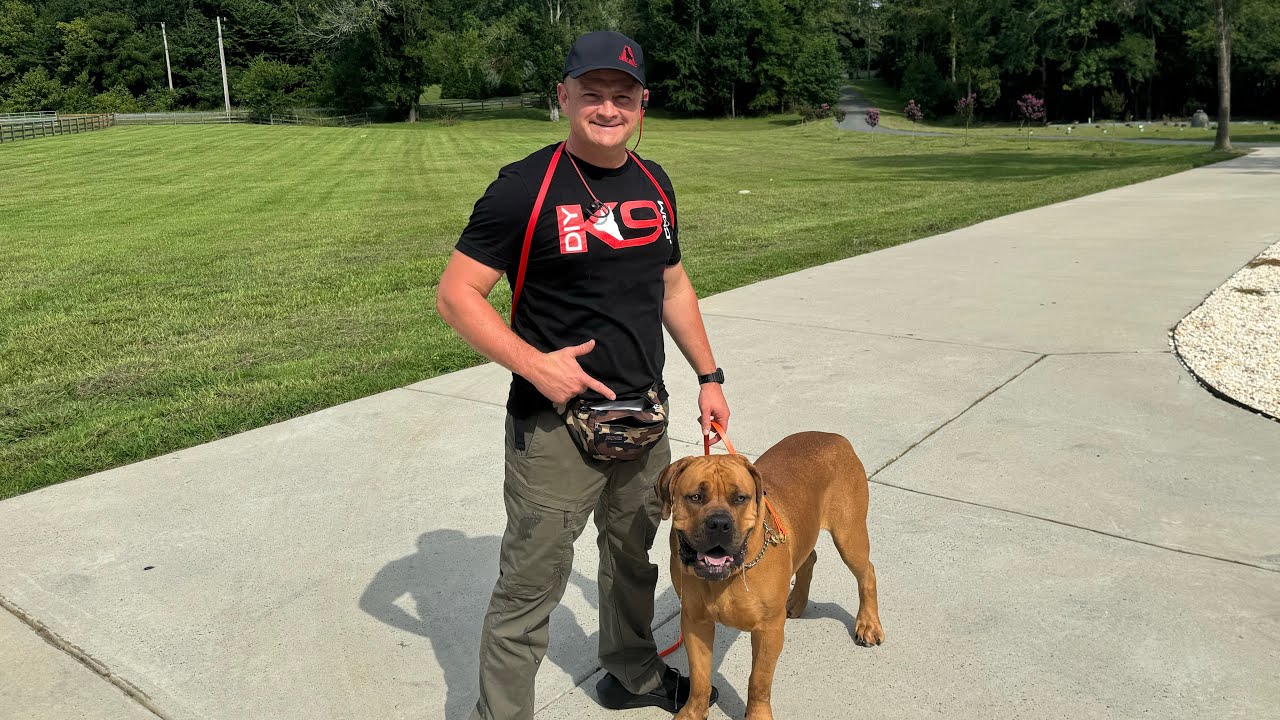
Corsi need strong socialization, leadership, and regular training. They form tight bonds with their family and are always on alert. If you want a guardian that’s loyal and powerful, this is your breed.
What You Need to Know Before Getting a Guard Dog
It’s easy to be impressed by the strength and courage of guard dogs, but owning one is a responsibility. These dogs need time, effort, and proper training to become balanced protectors. You can’t expect them to just “know” what to do—they rely on you to guide them.
Whether it’s feeding routines, exercise, or social behavior, good Pets Care Tips go a long way. Training should be consistent and humane. Positive reinforcement builds trust and leads to better long-term behavior than fear-based tactics.
Training Tips for Guard Dogs
Training is everything. Start early, stay consistent, and be patient. You’ll want to teach basic obedience first—sit, stay, come—before moving on to more advanced guarding skills. Socialization is just as important. Introduce your dog to new people, places, and sounds early on.
If you’re not confident in your training skills, working with a professional dog trainer is worth the investment. A well-trained dog knows when to protect and when to stand down, which is exactly what you want in a guard dog.
Need help getting started? Visit our full section on Training and Behavior to find effective tips.
Guard Dogs vs. Watchdogs—What’s the Difference?
A watchdog barks to alert you when someone is near but usually won’t do more than that. A guard dog, on the other hand, will stand their ground and act if they perceive a threat. Breeds like Chihuahuas and Dachshunds make great watchdogs, but you wouldn’t count on them to stop a burglar.

Knowing the difference helps you decide what fits your lifestyle better—do you need noise and alertness, or physical protection?
How to Choose the Right Guard Dog for Your Home
Picking the right dog comes down to more than just looks. Think about your living space, family, and experience level. Some dogs, like Belgian Malinois or Cane Corsos, are better suited to experienced handlers. Others, like Boxers or Bullmastiffs, might fit better with laid-back families.
Also consider grooming needs, energy levels, and health concerns. A great match makes life easier for both you and your dog.
Are Guard Dogs Safe Around Kids?
With the right upbringing, absolutely. Many guard dogs—like German Shepherds and Boxers—are fantastic with children. But supervision is always necessary, especially around young kids. Even the gentlest dog can become overwhelmed by loud noises or rough play.
Teach your kids to respect the dog’s space and body language. A well-socialized dog and an educated child are the best combo for harmony at home.
Common Myths About Guard Dogs
Some people think guard dogs are always aggressive. That’s simply not true. A well-trained guard dog knows how to read situations and react appropriately. They’re not dangerous—they’re disciplined.
Others believe small dogs can’t protect. While they may not tackle an intruder, their bark can serve as a fantastic early warning system.
Don’t fall for breed stereotypes. The best protector is the one that fits your family’s needs and lifestyle.
Wrapping It Up: Guard Dogs That Love and Protect
Having a guard dog isn’t just about security—it’s about forming a deep bond with a loyal companion who’s always got your back. These dogs can bring peace of mind while being loving parts of your family.
With proper care, socialization, and training, you can raise a guard dog who isn’t just protective—but balanced, happy, and respectful. Choose wisely, love deeply, and train consistently. Your dog will return that trust with unmatched loyalty.