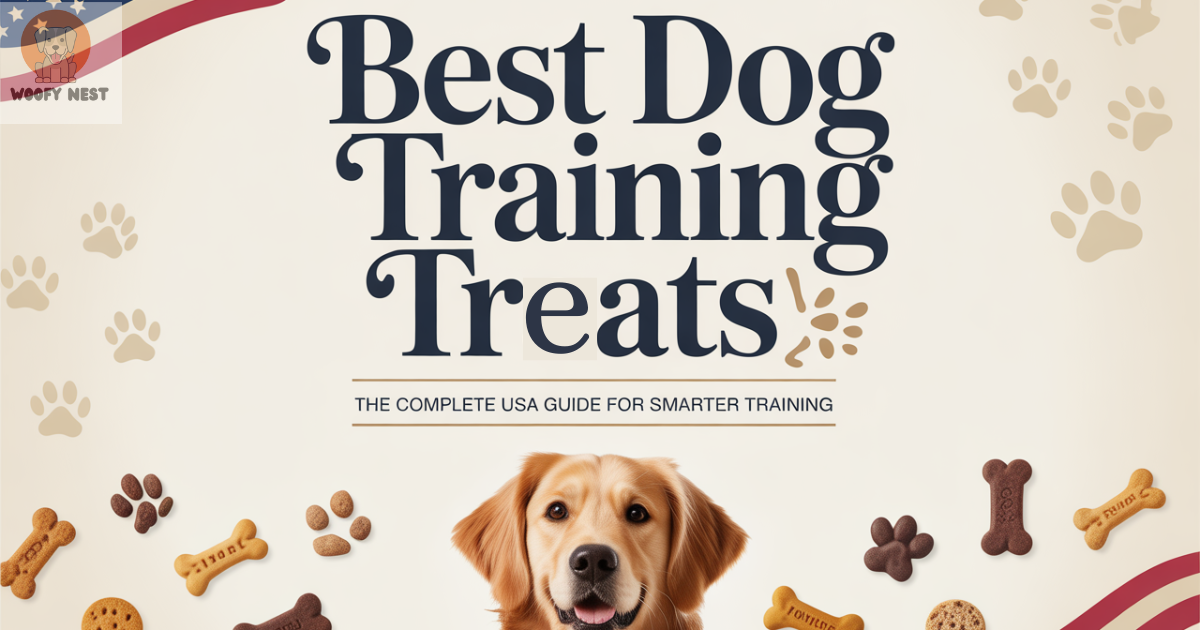
Training your dog becomes easier when you use the Best Dog Training Treats because dogs learn faster with food rewards that feel exciting and meaningful. When treats are chosen with care, they help create better habits, stronger focus, and a deep bond between you and your dog. Many owners in the USA struggle to pick the right treats, but understanding how size, smell, texture, and calories affect learning will help you choose smarter.
The Best Dog Training Treats also support healthy behavior because dogs respond instantly when you reward them correctly. This simple approach transforms everyday routines into learning moments. When you study how high-value dog treats, soft dog treats, and tiny training treats affect motivation, you begin to understand what makes training faster and more enjoyable for both you and your dog.
Why Dog Training Treats Matter for Effective Training
Training works best when treats match your dog’s motivation level. The Best Dog Training Treats help create a clear link between action and reward, making learning faster. Dogs respond better when they receive an immediate reward for good behavior, because that quick feedback strengthens the behavior right away. This is why trainers rely on dog behavior rewards during every stage of learning.
The right treat increases excitement and reduces frustration. It also keeps training sessions moving smoothly because your dog stays focused. When you use rewards that smell strong or taste rich, your dog becomes eager to participate, especially during tough tasks. This small change transforms difficult moments into positive progress.
What Makes a Good Training Treat? Key Factors to Look For
A good training treat is easy to chew, quick to eat, and highly motivating. The Best Dog Training Treats should offer flavor your dog truly enjoys, because dogs respond better when treats sit high in their reward hierarchy in dogs. Strong-smelling treats help your dog pay attention even when distractions appear, especially in busy USA environments like parks and neighborhoods.

Calories also matter. Using low-calorie dog treats helps with calorie management during training, preventing weight gain during intense learning. When treats are small yet rewarding, your dog avoids getting full too fast, keeping the training work efficient and productive.
Fast-Eating Dog Training Treats: Why Speed Matters
Dogs learn faster when treats disappear quickly. The Best Dog Training Treats are soft and tiny, helping trainers avoid long pauses while dogs chew. Quick snacks prevent making training more efficient by shortening the gaps between commands and rewards. This rhythm keeps training smooth and enjoyable.
Fast-eating treats also limit distraction because dogs stay focused on the next command rather than the last reward. Using high-motivation dog treats in busy areas helps when you need your dog’s eyes on you. This simple shift improves your dog’s performance during complex tasks.
Choosing the Right Size: Keep Dog Training Treats Small
Training treats must be tiny. Even large dogs benefit from pea-sized treats for dogs, because small pieces prevent overeating and allow longer sessions. The Best Dog Training Treats often look miniature, helping with training treat sizes and reducing dog treat calories, which protects your dog’s health.

Smaller treats also help avoid preventing dogs from getting full too quickly. This works well for puppies who need more repetitions. Using small dog training treats and tiny training treats ensures your dog stays light, focused, and ready for more learning.
Soft and Stinky Treats: The Secret to High-Value Rewards
Soft treats help your dog eat quickly without dropping crumbs. The Best Dog Training Treats often include soft dog treats, which improve speed and encourage focus. These treats avoid crumbling, so your dog spends less time sniffing the ground and more time listening.
Stinky treats work even better. Dogs love stinky dog treats and smelly dog rewards, especially items like bacon or cheese. The power of smelly food as motivation becomes clear in busy places where treats for distracting environments matter most. This keeps your dog excited and responsive.
Slow-Eating Training Treats for Difficult Tasks
Slow-eating treats help during tasks that require patience. The Best Dog Training Treats for long moments include chewy dog treats, long-lasting dog chews, and bully sticks for dogs. These help during crate work and independent settling. Using treats that last a long time teaches calm behavior and supports long sessions.
These treats also help with dogs savoring chewy treats, especially during crate introduction. They are essential crate training treats because chewing reduces stress and encourages quiet behavior. These rewards also help with strengthening quiet behavior in busy homes.
Training Treat Variety: Why Changing Up Treat Types Helps
Dogs get bored easily. Even the Best Dog Training Treats lose power if used too long. Many dogs show signs of dogs getting bored of treats, and when that happens, their interest fades. Changing treat types restores excitement and encourages curiosity.
Using different flavors prevents dogs losing enthusiasm during training. When you switch between high-value food rewards, liver bites, and small cheese pieces, your dog stays alert and happy. This simple trick boosts consistency and motivation in every session.
Best Foods for On-the-Spot Training Sessions
Sometimes you need rewards quickly during daily routines. The Best Dog Training Treats for these moments are on-the-spot dog training treats that stay fresh in your pocket. These rewards help with impromptu training at home, especially when reinforcing calm behavior on a bed or near visitors.
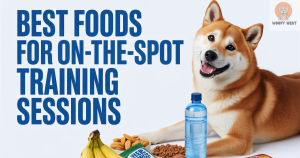
Carrying nonperishable dog treats solves the problem of perishable vs nonperishable dog treats. Items like freeze-dried liver treats and jerky training treats work perfectly. They stay fresh, clean, and ready for quick rewards when good behavior appears.
Top Organic and Natural Training Treat Options
Many USA dog owners prefer natural options. The Best Dog Training Treats in this category include organic meat bites, dehydrated fruits, and veggie-based treats. These choices reduce artificial ingredients and support long-term health. They also help with training because whole-food scents often attract dogs strongly.
Organic treats also support calorie management during training, helping dogs stay fit while learning. Natural ingredients pair well with high-motivation dog treats, giving owners a healthier option for daily rewards. These treats also appeal to picky dogs because of their deep, natural aroma.
Table: Popular Treat Categories in the USA
| Treat Type | Description | Best Use |
| Soft Treats | Easy to chew and quick to swallow | Fast-paced training |
| Freeze-Dried Liver | Strong smell and high value | Distractions or outdoor training |
| Jerky Bites | Chewy and flavorful | High-motivation rewards |
| Bully Sticks | Long-lasting chew | Crate comfort and quiet time |
| Stuffable Toys | KONGs with soft fillings | Time-consuming focus |
Best Overall Training Treat Recommendations for All Dogs
The Best Dog Training Treats work for all breeds and sizes when they match training goals. Soft, fragrant treats help most dogs learn quickly. Freeze-dried meats offer strong value during difficult commands. Small, low-calorie dog treats help maintain weight while practicing many repetitions.
For long tasks, stuffed dog toys make great choices. Using KONG treat ideas like peanut butter dog treats or blended fruit fillings creates time-consuming treats for dogs. These specialties build focus, relieve stress, and support gentle behavior during rest periods.
Frequently Asked Questions(FAQ,s)
Q1: What is the best brand of training treats for dogs?
Many trainers prefer brands like Zuke’s, Stewart Freeze-Dried Liver, and Pet Botanics because they’re soft, small, and high-value.
These treats keep dogs focused and motivated during training.
Q2: What is the 10 10 10 rule for puppy training?
It means train for 10 minutes, use 10 small rewards, and repeat about 10 times a day in short sessions.
This keeps puppies engaged without overwhelming them.
Q3: What do professional dog trainers use as treats?
Most professionals use soft, smelly, high-value treats like freeze-dried liver, chicken, cheese, or tiny meat-based bites.
These treats work best because dogs find them irresistible during training.
Q4: What is the 90/10 rule dog?
It means your dog should eat 90% regular balanced food and only 10% treats in a day.
This helps control calories and keeps training treats from causing weight gain.
Q5: What is the 7 7 7 rule for dogs?
It guides socialization: meet 7 new people, explore 7 new places, and experience 7 new surfaces in the early weeks.
It helps puppies grow confident and well-adjusted.